GOV’T EXPECTS 60% MINING TAXES IN USD, 25% IN KWACHA, 15% IN YUAN
Home News Home Affairs
Posted by admin on January 7, 2026 at 9:30 AM
The Government of Zambia has clarified its new mining tax
payment structure, confirming that in 2026 it expects 60 percent of mining
taxes to be paid in US dollars, 25 percent in Kwacha, and 15 percent in Chinese
yuan (Renminbi).
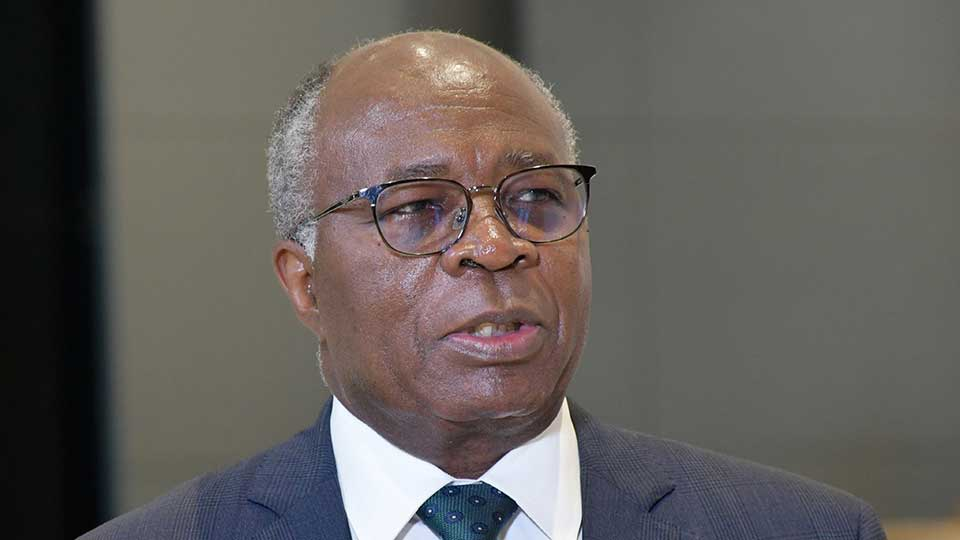
Minister of Finance and National Planning Situmbeko
Musokotwane explained that the measure is a cost-saving and debt management
strategy, not a shift away from the Kwacha, which remains the legal tender for
domestic transactions.
Taxes are ordinarily payable in Kwacha, but the
government may designate other currencies for specific sectors to ensure macroeconomic
stability mirroring the 2018 and 2020 decisions requiring mining companies to
pay certain taxes in USD. In 2025, about 75% of mining taxes were paid in USD,
25% in Kwacha, and 2% in Renminbi.
He added that China is Zambia’s largest bilateral
creditor, with most loans denominated in Renminbi, allowing mining taxes to be
paid in RMB helps Zambia service debt directly in the borrowed currency,
avoiding conversion costs and settlement delays.
“Allowing a portion of taxes to be paid in Renminbi
enables the government to avoid unnecessary conversion costs,” Dr Musokotwane
said.
Dr Musokotwane emphasized that the arrangement is limited
and targeted, applying only to mining companies with strong links to China and Ordinary
citizens will see no direct impact, but government savings can be redirected to
health, education, and social support.
He concluded that Domestic transactions will continue to
be settled in Kwacha, ensuring monetary policy remains intact. The Renminbi
already forms part of Zambia’s foreign reserves and is included in the IMF
Special Drawing Rights (SDR) basket and Reserve management involves balancing risks,
with no currency or asset being completely risk-free.
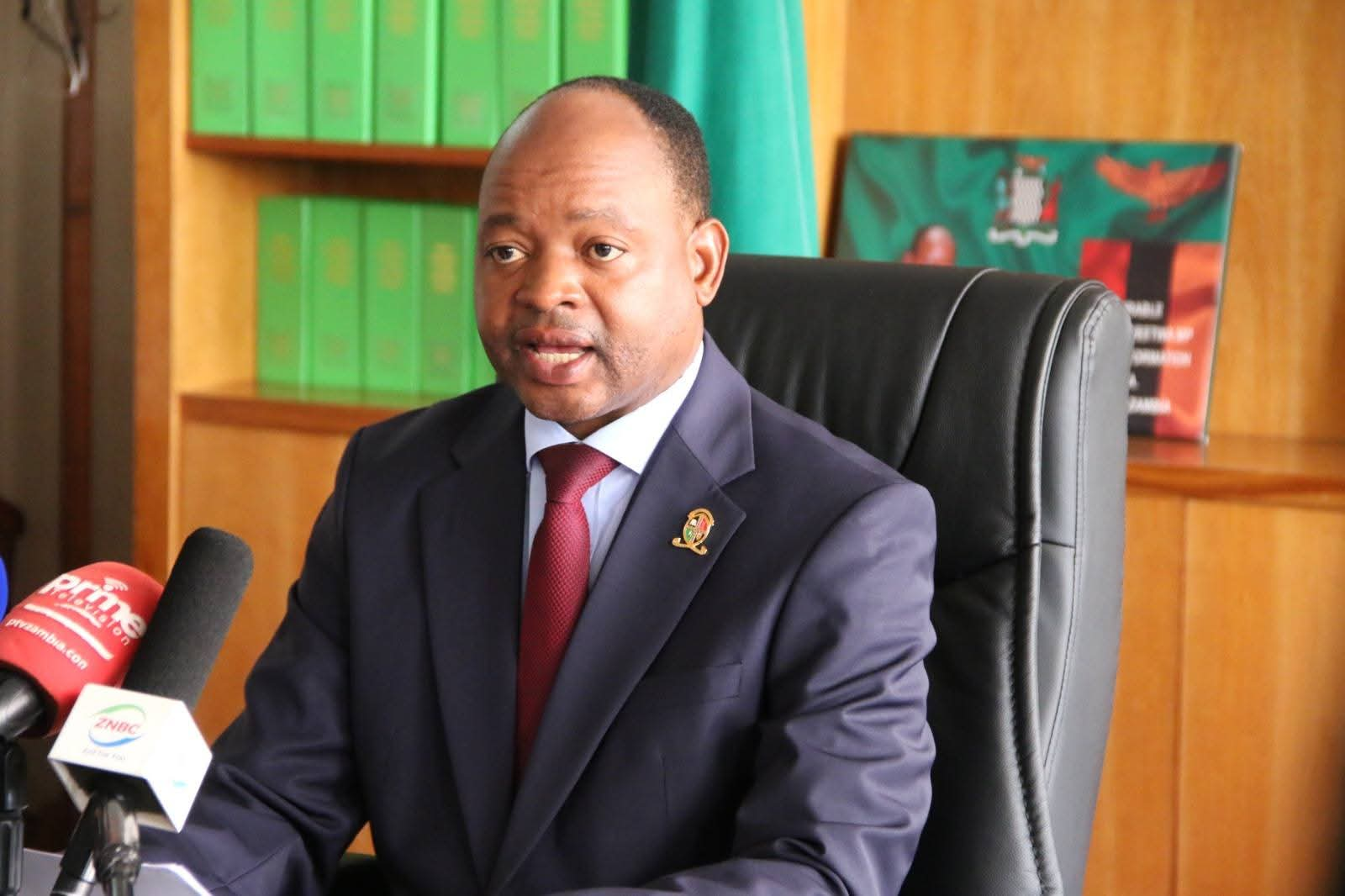
Governor Denny Kalyalya said holding RMB strengthens the stability
of the monetary system.
“Having multiple foreign currencies available reduces
over-reliance on the USD and other single currencies. It gives the Bank more
flexibility to manage liquidity and stabilise exchange rates,” he explained.
He reaffirmed that domestic monetary policy remains fully
effective since local transactions continue to be settled in Kwacha.
The government’s mining tax currency mix reflects a pragmatic approach to debt servicing, foreign reserve diversification, and macroeconomic stability. Officials pledged continued engagement with stakeholders as circumstances evolve.
Related Articles


Recent News
-
 Gov’t Reaffirms Worker Welfare Under Decentralisation
-
 Police Arrest Suspect In Mufulira Assault Case
-
 215 Tazara Officers Promoted Ahead Of Elections
-
 Calisthenics Display At Trade Fair
-
 Man Nabbed In Mazabuka Murder
-
 Gov’t Flags Off Wetland Cropping Inputs Nationwide
-
 Tcz To Introduce Teacher Licensure Exams
-
 Kalabo Urges Public Education On New Pensions Act

Popular News

Top Trending
-
Gov’t Reaffirms Worker Welfare Under Decentralisation
-
Police Arrest Suspect In Mufulira Assault Case
-
215 Tazara Officers Promoted Ahead Of Elections
-
Calisthenics Display At Trade Fair
-
Man Nabbed In Mazabuka Murder
-
Gov’t Flags Off Wetland Cropping Inputs Nationwide
-
Tcz To Introduce Teacher Licensure Exams
-
Kalabo Urges Public Education On New Pensions Act