LIFTING NIGHT TRAVEL BAN SPARKS SAFETY CONCERNS IN NATIONAL PARKS
Home News Home Affairs
Posted by admin on March 31, 2026 at 2:28 AM
As Government prepares to roll out the first phase of its
24-hour economy by lifting the night travel ban on buses and trucks effective
1st April 2026, conservationists and transport experts have raised concerns
about the potential rise in accidents within national parks.
The policy shift, announced by Minister of Commerce,
Trade and Industry Chipoka Mulenga, is aimed at enhancing the movement of goods
and services, reducing congestion, and stimulating economic activity around the
clock.
However, roads such as the Lusaka–Mongu route, which
passes through the Kafue National Park, present unique risks to both wildlife
and human safety.
Experts warn that night travel through ecologically
sensitive areas creates “ghost traffic” hazards Reduced visibility makes it
difficult to spot large mammals such as elephants and buffalo until it is too
late to brake, Blinding headlights can freeze animals in place, leading to
direct collisions and Speeding temptations at night reduce reaction times,
increasing the likelihood of accidents.
Stakeholders have suggested compromises to balance
economic efficiency with environmental preservation Sector-specific bans on
night travel within park boundaries, Convoy systems requiring heavy vehicles to
move in monitored groups with escort vehicles, Variable speed limits of 40–60
km/h enforced by cameras or checkpoints and Infrastructure investment in
wildlife underpasses, overpasses, and fencing at known crossing hotspots.
Transporters argue that night travel improves turnaround
times and reduces engine wear due to cooler temperatures. Yet, conservationists
stress that the cost of a single accident involving a heavy truck and an
elephant is astronomical not only in terms of biodiversity loss but also
vehicle damage and potential human fatalities.
Civil society groups are urging Petitions to the Road
Transport and Safety Agency (RTSA) for Environmental Impact Assessments on
park-based routes.
Engagement with the Department of National Parks and
Wildlife (DNPW) to lobby for exceptions based on animal migration patterns.
Tourism board support, highlighting how high roadkill
rates could damage Zambia’s “green” image and tourism appeal.
As Zambia embraces the 24-hour economy, the debate underscores the delicate balance between economic growth and environmental stewardship. The coming months will reveal whether policy adjustments can safeguard both livelihoods and wildlife.
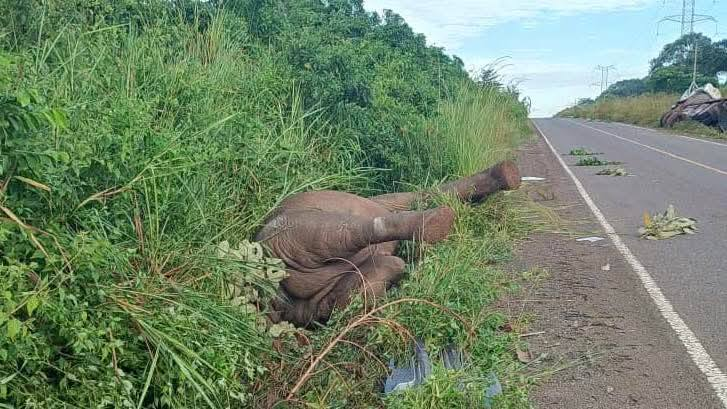
Pics for illustration
Related Articles



Recent News
-
 Police Arrest Suspect In Mufulira Assault Case
-
 215 Tazara Officers Promoted Ahead Of Elections
-
 Calisthenics Display At Trade Fair
-
 Man Nabbed In Mazabuka Murder
-
 Gov’t Flags Off Wetland Cropping Inputs Nationwide
-
 Tcz To Introduce Teacher Licensure Exams
-
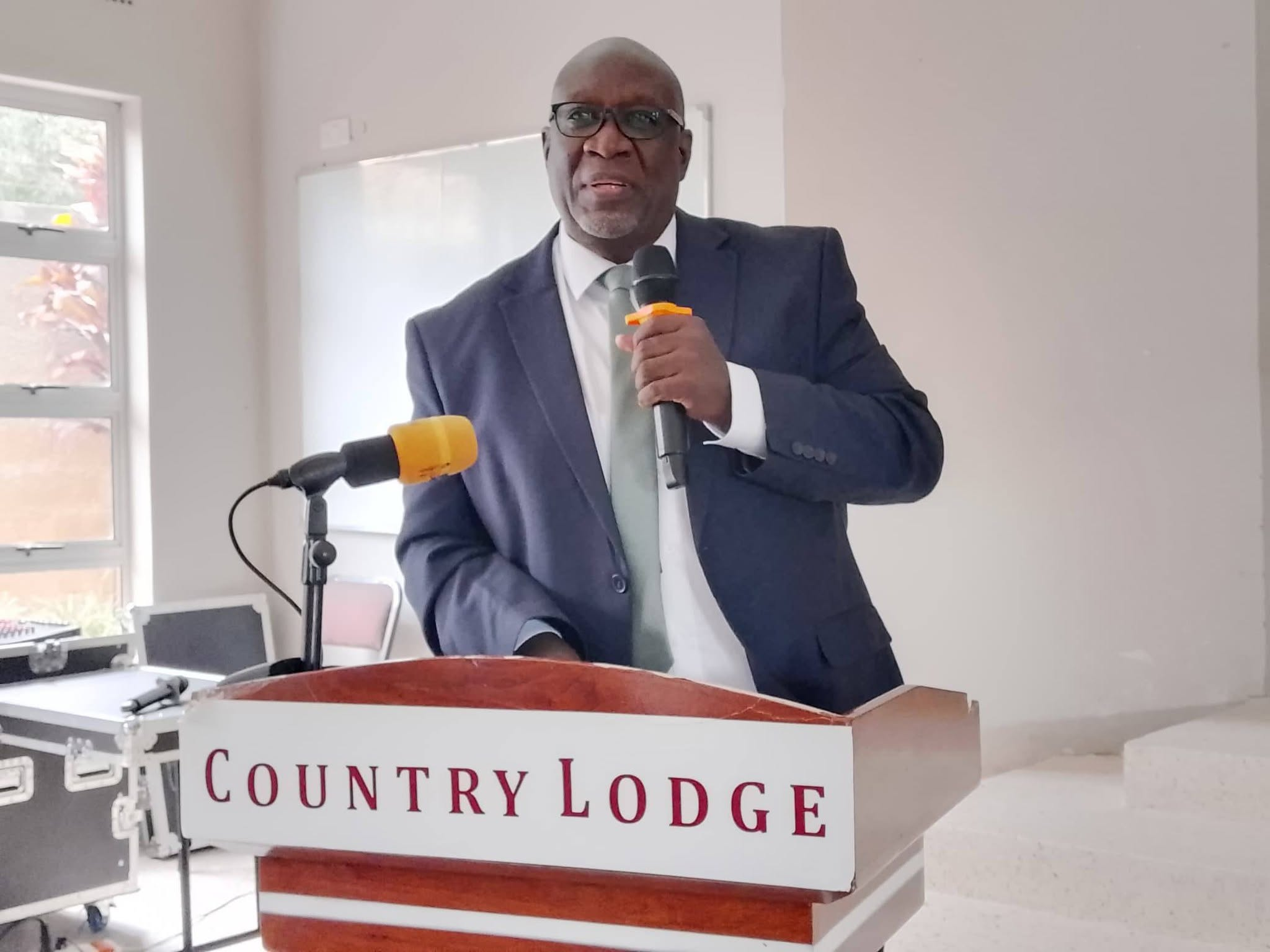 Kalabo Urges Public Education On New Pensions Act
-
 Ab Bank Zambia Appoints New Ceo

Popular News

Top Trending
-
Police Arrest Suspect In Mufulira Assault Case
-
215 Tazara Officers Promoted Ahead Of Elections
-
Calisthenics Display At Trade Fair
-
Man Nabbed In Mazabuka Murder
-
Gov’t Flags Off Wetland Cropping Inputs Nationwide
-
Tcz To Introduce Teacher Licensure Exams
-
Kalabo Urges Public Education On New Pensions Act
-
Ab Bank Zambia Appoints New Ceo