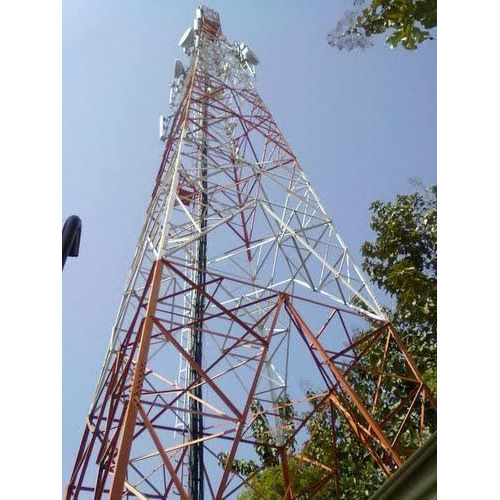
MTN, HUAWEI LAUNCH AI-POWERED BACKUP FOR POWER CUTS
Home News Home Affairs
Posted by admin on November 18, 2025 at 8:40 AM
MTN Zambia, in partnership with Huawei, has unveiled the
country’s first AI-powered adaptive power backup solution. The innovation is
designed to keep communication networks resilient during prolonged power
outages, ensuring uninterrupted connectivity for communities and businesses.
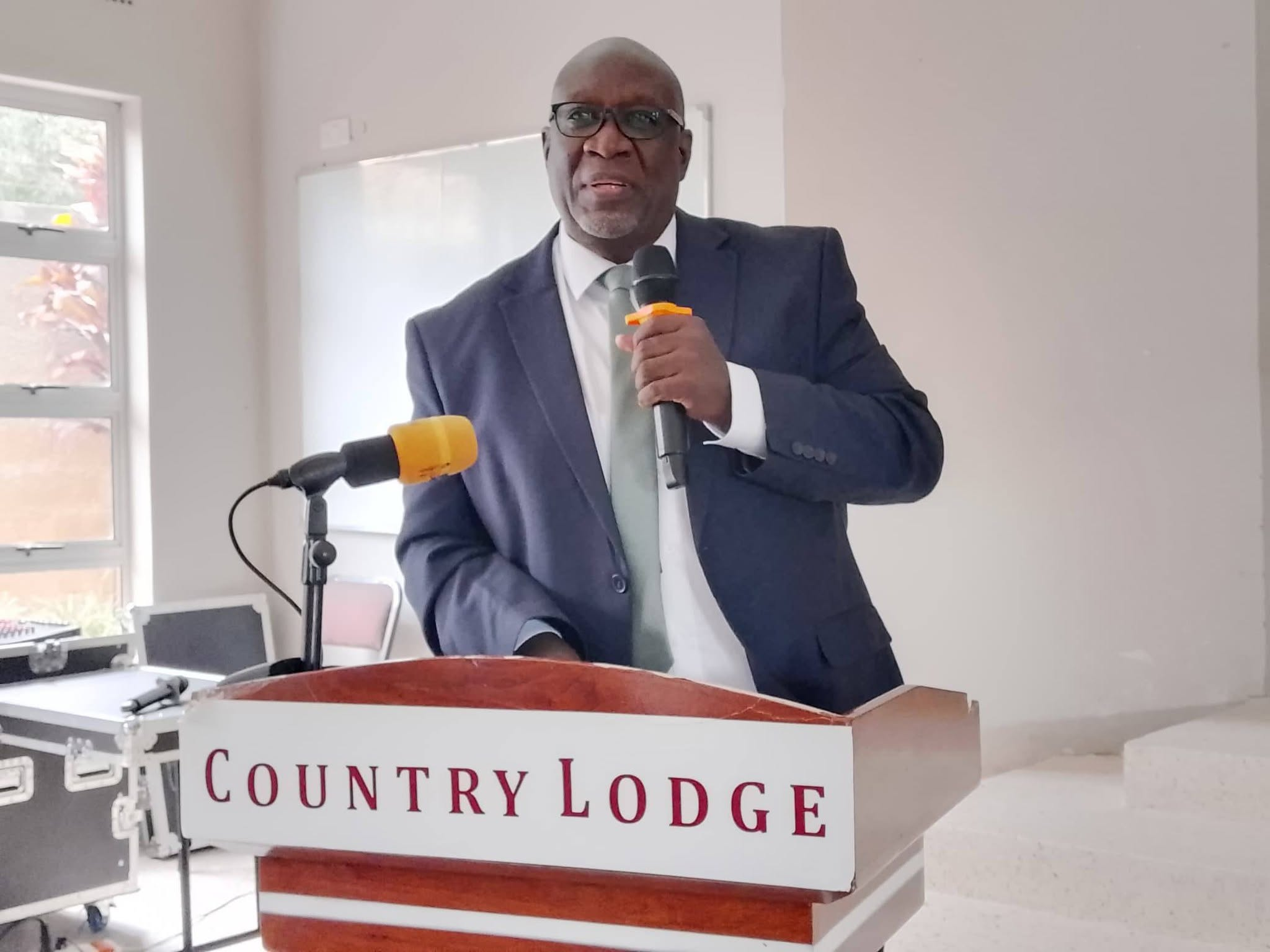
Thomas Ngoma, Acting Chief Technology Officer at MTN Zambia,
described the development as a significant milestone for the telecommunications
sector.
“This solution dynamically optimises power consumption,
extending backup power during grid interruptions. It offers enhanced energy
resilience for communities and businesses, demonstrating how technology can
solve real-world infrastructure challenges,” Ngoma said.
The system was piloted in areas hardest hit by frequent
blackouts. Results showed that even with daily power cuts exceeding six hours,
site uptime could be extended by an additional three to six hours — without the
need for extra batteries or diesel generators.
Overall, power-off resilience improved by more than 50%,
while critical performance indicators such as call setup success and data
throughput remained stable.
Alex Xing, Vice-President of Huawei’s MTN Key Account
Department, emphasised the importance of reliable networks independent of the
power grid:
“Through this collaboration, we are pioneering
energy-resilient networks where AI, intelligent power management, and
infrastructure work together to keep services online.”
“In regions where
electricity is unreliable, AI-driven backup solutions optimise energy usage to
ensure continuous and resilient network services. Huawei remains committed to
empowering Africa’s digital infrastructure with innovative technology.” added Vice-President
for Huawei Southern Africa Mad Chen
The joint MTN Zambia–Huawei solution represents a major
breakthrough for the telecommunications industry, combining AI-based energy
management with network autonomy. It is expected to improve both resilience and
sustainability in areas prone to power outages, while reducing reliance on
costly backup generators.
Related Articles


Recent News
-
 Police Arrest Suspect In Mufulira Assault Case
-
 215 Tazara Officers Promoted Ahead Of Elections
-
 Calisthenics Display At Trade Fair
-
 Man Nabbed In Mazabuka Murder
-
 Gov’t Flags Off Wetland Cropping Inputs Nationwide
-
 Tcz To Introduce Teacher Licensure Exams
-
 Kalabo Urges Public Education On New Pensions Act
-
 Ab Bank Zambia Appoints New Ceo

Popular News

Top Trending
-
Police Arrest Suspect In Mufulira Assault Case
-
215 Tazara Officers Promoted Ahead Of Elections
-
Calisthenics Display At Trade Fair
-
Man Nabbed In Mazabuka Murder
-
Gov’t Flags Off Wetland Cropping Inputs Nationwide
-
Tcz To Introduce Teacher Licensure Exams
-
Kalabo Urges Public Education On New Pensions Act
-
Ab Bank Zambia Appoints New Ceo