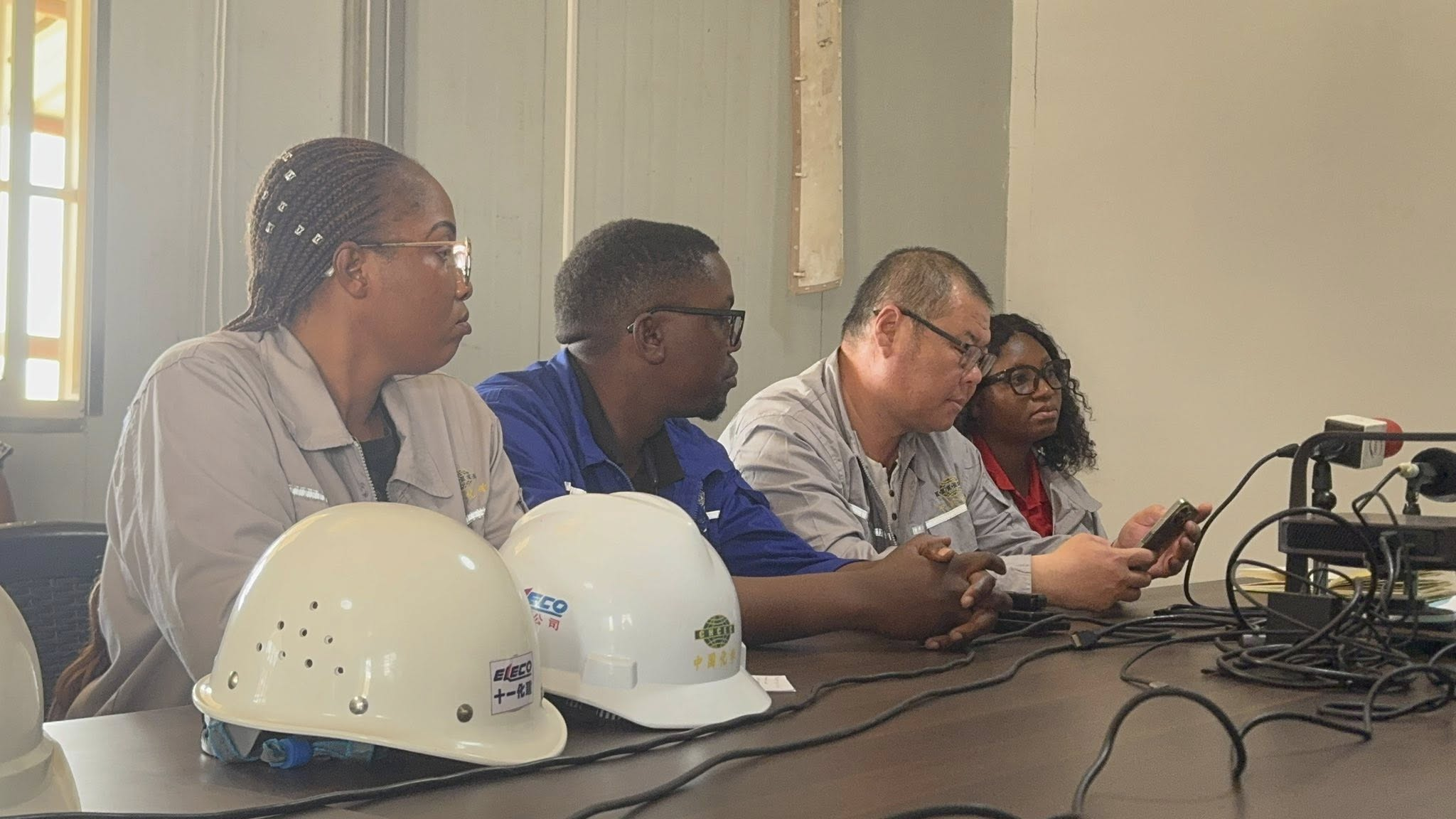
FQM OUTLINES STRATEGIC ROADMAP FOR ZAMBIA’S THREE-MILLION-TONNE COPPER AMBITION
Home News Home Affairs
Posted by admin on October 13, 2025 at 3:42 AM
First Quantum Minerals (FQM) has unveiled a strategic vision to boost
Zambia’s copper output to three million tonnes per year by 2032, emphasizing that
ambition must be underpinned by sustainability, innovation, and community
benefits.
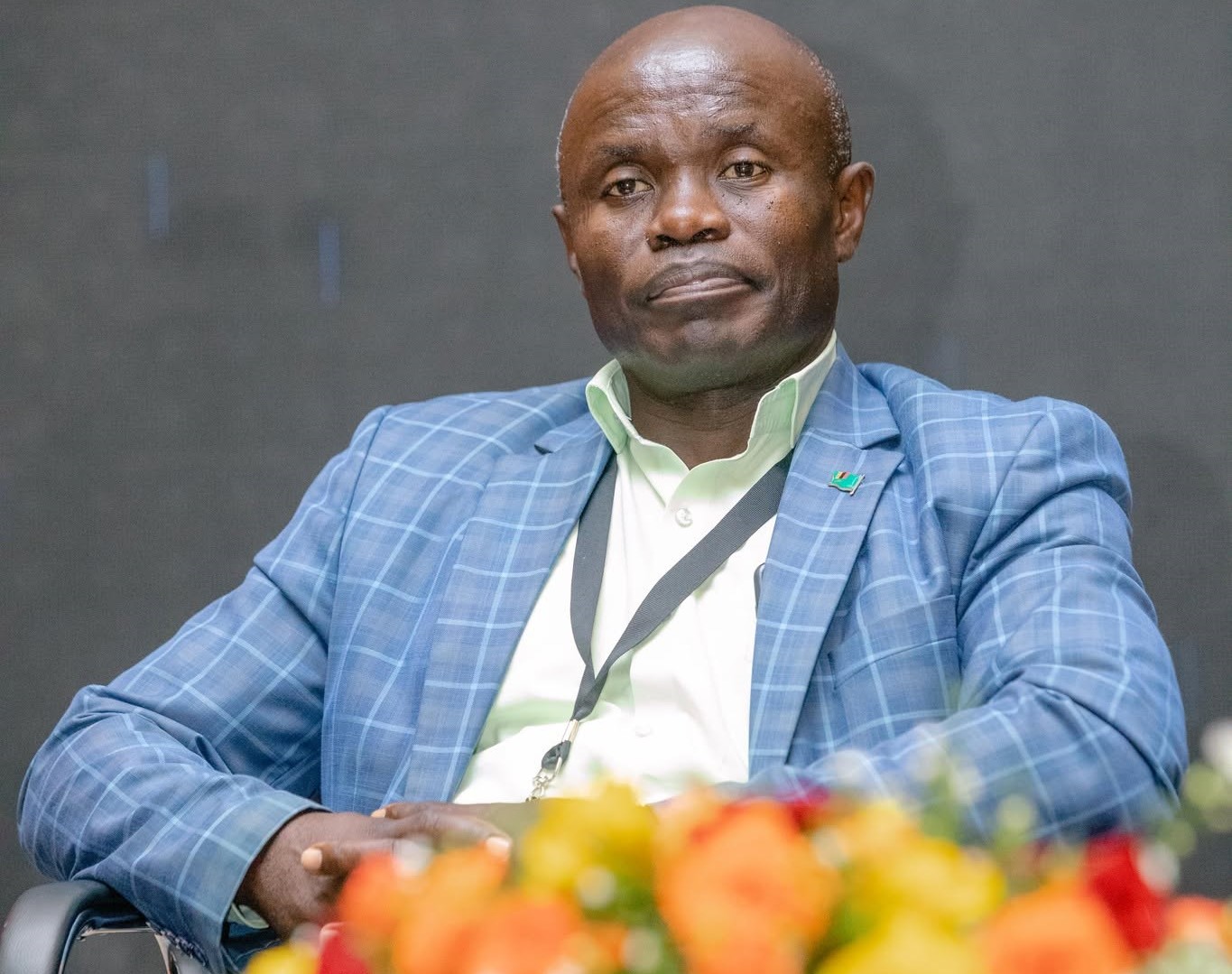
Speaking at the Zambia Mining and Investment Insaka (ZAMII) 2025, FQM
Country Director Anthony Mukutuma highlighted the scale of operations required
given declining ore grades from over 2% two decades ago to around 0.4–0.5%.
“To produce three million tonnes annually, we would need to Mine
approximately 815 million tonnes of ore, Move 2.4 billion tonnes of
waste and Construct tailings dams holding roughly 790 million tonnes”
Mukutuma explained.
He noted that such an expansion is highly capital-intensive, with
financing costs varying widely among companies, and stressed the importance of
the Local
Content Statutory Instrument to create US$16 billion
in contracting opportunities for Zambian businesses through waste-management
and other services.
Mr Mukukuma identified three critical pillars for achieving the
three-million-tonne target Increased Exploration Technology & Innovation
and Community
Engagement & Security of Tenure
He underscored that FQM is already deploying autonomous drills, driverless trucks,
and remote
sensing to manage tailings safely and boost productivity.
Mr mukukuma
further said Workforce Development Through the Kwambula Trade School
in Solwezi, FQM has trained over 544 youths, including 30 women,
many of whom now work in mining operations. Mukutuma stressed that digital and
AI skills are vital for future opportunities.
Environmental
Safeguards: Zambia’s Environmental Protection Fund (EPF)
underwrites rehabilitation liabilities. FQM’s Kansanshi and Trident Mines have
led revegetation efforts on tailings and waste areas.
Achieving three million tonnes by 2032 could expand Zambia’s copper value
chain to US$30–40
billion annually, up from the current US$2–3 billion.
Mukutuma concluded:
“Digital skills are not just about computers they are about confidence, communication, and connection. We must prepare our youth so that when opportunity meets preparedness, they are ready.” He said.
Related Articles


Recent News
-
 Police Arrest Suspect In Mufulira Assault Case
-
 215 Tazara Officers Promoted Ahead Of Elections
-
 Calisthenics Display At Trade Fair
-
 Man Nabbed In Mazabuka Murder
-
 Gov’t Flags Off Wetland Cropping Inputs Nationwide
-
 Tcz To Introduce Teacher Licensure Exams
-
 Kalabo Urges Public Education On New Pensions Act
-
 Ab Bank Zambia Appoints New Ceo

Popular News

Top Trending
-
Police Arrest Suspect In Mufulira Assault Case
-
215 Tazara Officers Promoted Ahead Of Elections
-
Calisthenics Display At Trade Fair
-
Man Nabbed In Mazabuka Murder
-
Gov’t Flags Off Wetland Cropping Inputs Nationwide
-
Tcz To Introduce Teacher Licensure Exams
-
Kalabo Urges Public Education On New Pensions Act
-
Ab Bank Zambia Appoints New Ceo