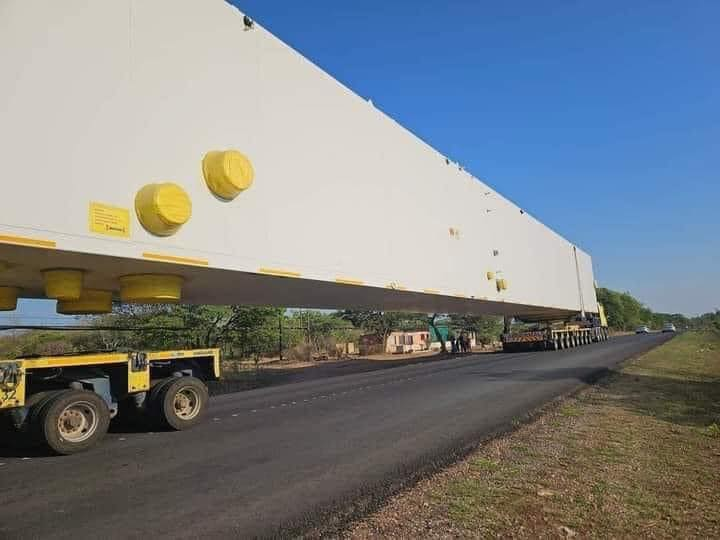
TEVETA FLAGS SKILLS CRISIS AFTER ZAMBIA IMPORTS 700 WELDERS FROM PERU FOR ‘COOLER BOX’ INSTALLATION
Tech News Technology Innovations
Posted by admin on October 30, 2025 at 1:06 AM
The Technical Education,
Vocational and Entrepreneurship Training Authority (TEVETA) has raised
alarm over Zambia’s critical shortage of skilled welders, revealing that over
700 Peruvian welders had to be brought in to install a massive industrial
cold box at First Quantum Minerals’ Kansanshi Mine in 2024.
The 171-tonne oxygen plant container dubbed
the “magical cooler box” by amused social media users became a viral
sensation as it crawled across the country. But behind the humour, TEVETA says
the episode exposed a deep skills gap that threatens Zambia’s industrial
ambitions.
“We don’t have welders in Zambia.
What we have are metal fabricators the ones that make your gates,” said TEVETA
Corporate Affairs Manager Clive Siachiyako during a media training
workshop. “If we didn’t get those welders from Peru, that container would never
have worked.”
Siachiyako warned that Zambia’s inability
to produce coded welders technicians certified to handle high-pressure,
high-precision welding could derail progress in mining, energy, and
manufacturing.
He attributed the crisis to years
of neglect in technical training and a societal bias that views
vocational education as inferior.
“If an engineer designs a building,
that engineer will never build it. We need the bricklayers and technicians to
do the actual work,” he said.
To address the gap, TEVETA is launching
a coded welding training programme to equip Zambians with the skills to
weld complex materials, including plastics. The initiative will be supported by
industry partnerships and regional collaboration to raise
training standards.
TEVETA Director of Development and
Research Phyllis Kasonkomona
echoed the concern, saying Zambia’s overemphasis on university education has undermined
practical skills development.
“The mindset that we have developed has really killed programmes that can give us hands-on skills,” she said.
Related Articles


Recent News
-
 Police Arrest Suspect In Mufulira Assault Case
-
 215 Tazara Officers Promoted Ahead Of Elections
-
 Calisthenics Display At Trade Fair
-
 Man Nabbed In Mazabuka Murder
-
 Gov’t Flags Off Wetland Cropping Inputs Nationwide
-
 Tcz To Introduce Teacher Licensure Exams
-
 Kalabo Urges Public Education On New Pensions Act
-
 Ab Bank Zambia Appoints New Ceo

Popular News

Top Trending
-
Police Arrest Suspect In Mufulira Assault Case
-
215 Tazara Officers Promoted Ahead Of Elections
-
Calisthenics Display At Trade Fair
-
Man Nabbed In Mazabuka Murder
-
Gov’t Flags Off Wetland Cropping Inputs Nationwide
-
Tcz To Introduce Teacher Licensure Exams
-
Kalabo Urges Public Education On New Pensions Act
-
Ab Bank Zambia Appoints New Ceo