PRIORITISE JOBS AND GROWTH
Home News Home Affairs
Posted by admin on January 9, 2026 at 3:07 AM
Zambia will conclude its current International Monetary
Fund (IMF) Extended Credit Facility (ECF) programme and immediately begin
engagement on a successor arrangement that places stronger emphasis on economic
growth, investment, and job creation,
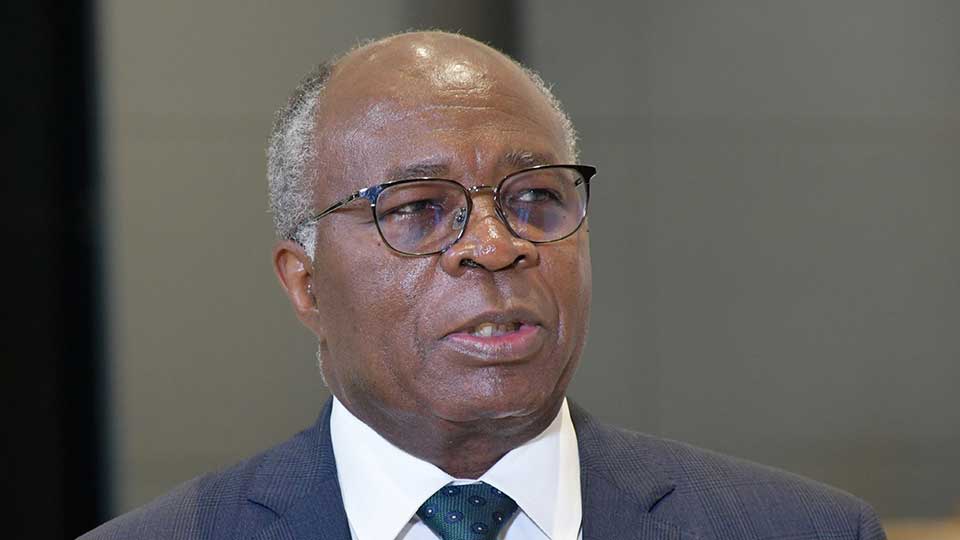
Minister of Finance and National Planning Situmbeko
Musokotwane has announced that the current ECF, which commenced in 2022, is
entering its final phase. Government has opted not to pursue a one‑year
extension, instead transitioning to a full‑term successor programme aligned
with evolving national priorities.
Dr Musokotwane reaffirmed government’s commitment to Debt
sustainability, Prudent fiscal management, Transparent use of public resources,
Strengthened domestic revenue mobilisation and Inclusive growth
He stressed that the reform agenda is nationally owned,
not dependent on any single external arrangement.
The Minister expressed appreciation to the IMF, President
Hakainde Hichilema, the Vice President, Cabinet, Parliament, and key economic
institutions for supporting the reform programme.
“Zambia remains committed to constructive engagement with
the IMF and development partners as it works towards a more prosperous,
resilient and inclusive economy,” Dr Musokotwane said.
Immediate priority is the sixth and final review, after
which discussions with the IMF on a new framework will begin. Zambia has
completed all programme reviews without interruption since 2022.
A staff‑level agreement on the final review was reached
in December, pending IMF Executive Board approval. The country met all quantitative
targets and structural benchmarks, supporting fiscal consolidation with primary
surpluses above 2% of GDP.
Reforms have strengthened economic resilience, advanced
debt restructuring, and enabled Zambia to benefit from favourable copper
prices.
The successor arrangement will continue to support debt
restructuring but will prioritise Growth‑oriented structural reforms, Value
addition and investment mobilisation and Inclusive economic opportunities and
job creation
Policy continuity will be maintained through adherence to
the national budget, disciplined borrowing, and close IMF engagement.
Related Articles


Recent News
-
 Gov’t Reaffirms Worker Welfare Under Decentralisation
-
 Police Arrest Suspect In Mufulira Assault Case
-
 215 Tazara Officers Promoted Ahead Of Elections
-
 Calisthenics Display At Trade Fair
-
 Man Nabbed In Mazabuka Murder
-
 Gov’t Flags Off Wetland Cropping Inputs Nationwide
-
 Tcz To Introduce Teacher Licensure Exams
-
 Kalabo Urges Public Education On New Pensions Act

Popular News

Top Trending
-
Gov’t Reaffirms Worker Welfare Under Decentralisation
-
Police Arrest Suspect In Mufulira Assault Case
-
215 Tazara Officers Promoted Ahead Of Elections
-
Calisthenics Display At Trade Fair
-
Man Nabbed In Mazabuka Murder
-
Gov’t Flags Off Wetland Cropping Inputs Nationwide
-
Tcz To Introduce Teacher Licensure Exams
-
Kalabo Urges Public Education On New Pensions Act